





Sleeping bags for hut tours, Alpine crossings & travel
A sleeping bag liner is as essential for a hut-to-hut hike as hiking boots and a backpack. It's mandatory for sleeping in Alpine Club huts, and having your own lightweight sleeping bag is simply more comfortable in hostels, youth hostels, or when traveling.
At Grüezi bag® you'll find more than just classic thin sleeping bag liners. Depending on your tour and warmth requirements, you can choose between WoodWool liners, lightly insulated hut sleeping bags with AlmWolle, and particularly lightweight summer sleeping bags with DownWool®.
This way you can find the exact model that suits your luggage, your need for warmth and your next tour.
Which sleeping bag liner is right for your tour?
Evenings at the mountain hut are very simple: shoes off, backpack in the corner, something to eat, and finally into bed.
Whether the night will actually be pleasant also depends on what you put between you and the cabin ceiling.
A good sleeping bag liner should take up little space in your backpack, feel comfortable against the skin, and be suitable for the temperature. That's precisely why Grüezi bag® offers a variety of solutions: from classic sleeping bag liners to lightly insulated travel sleeping bags for cooler mountain huts or summer nights.
WoodWool Liner: light, soft and comfortable directly on the skin
If you mainly stay in heated or warm cabins and want to take as little extra luggage as possible, a WoodWool liner is a good choice.
The material consists of 80% lyocell and 20% wool . Lyocell ensures a soft, smooth feel. The wool content absorbs moisture, regulates the temperature on the skin, and reduces odors.
This is particularly convenient on multi-day tours when the sleeping bag is used for several nights in a row.
The WoodWool Almhütte liner is specifically designed for overnight stays in mountain huts. Its rectangular shape offers freedom of movement, and the integrated pillow pocket allows you to insert your existing hut pillow. This way, you also have your own sleeping cover for the head area.
AlmWolle: when a thin liner isn't warm enough
Not every mountain hut is warm. Those traveling outside of peak season, who get cold easily, or simply want a bit more warmth, often need more than a thin liner.
That's what the wool Almhütte travel sleeping bags are for.
A light layer of alpine wool insulation on the top provides extra warmth. Wool can absorb and release moisture, thus promoting a pleasantly balanced sleeping climate.
The Wolle Almhütte is therefore an interesting intermediate solution: significantly more like a sleeping bag than a classic liner, but still light and compact enough for hut tours and travel.
Practical for travel: Depending on the model, it can be fully opened and used as a blanket. This makes it suitable not only for mountain huts, but also for holiday apartments, youth hostels, vans, motorhomes or summer trips.
DownWool® 2.0: when every gram in your backpack counts
When crossing the Alps, trekking, or hiking on a long-distance trail, every gram counts.
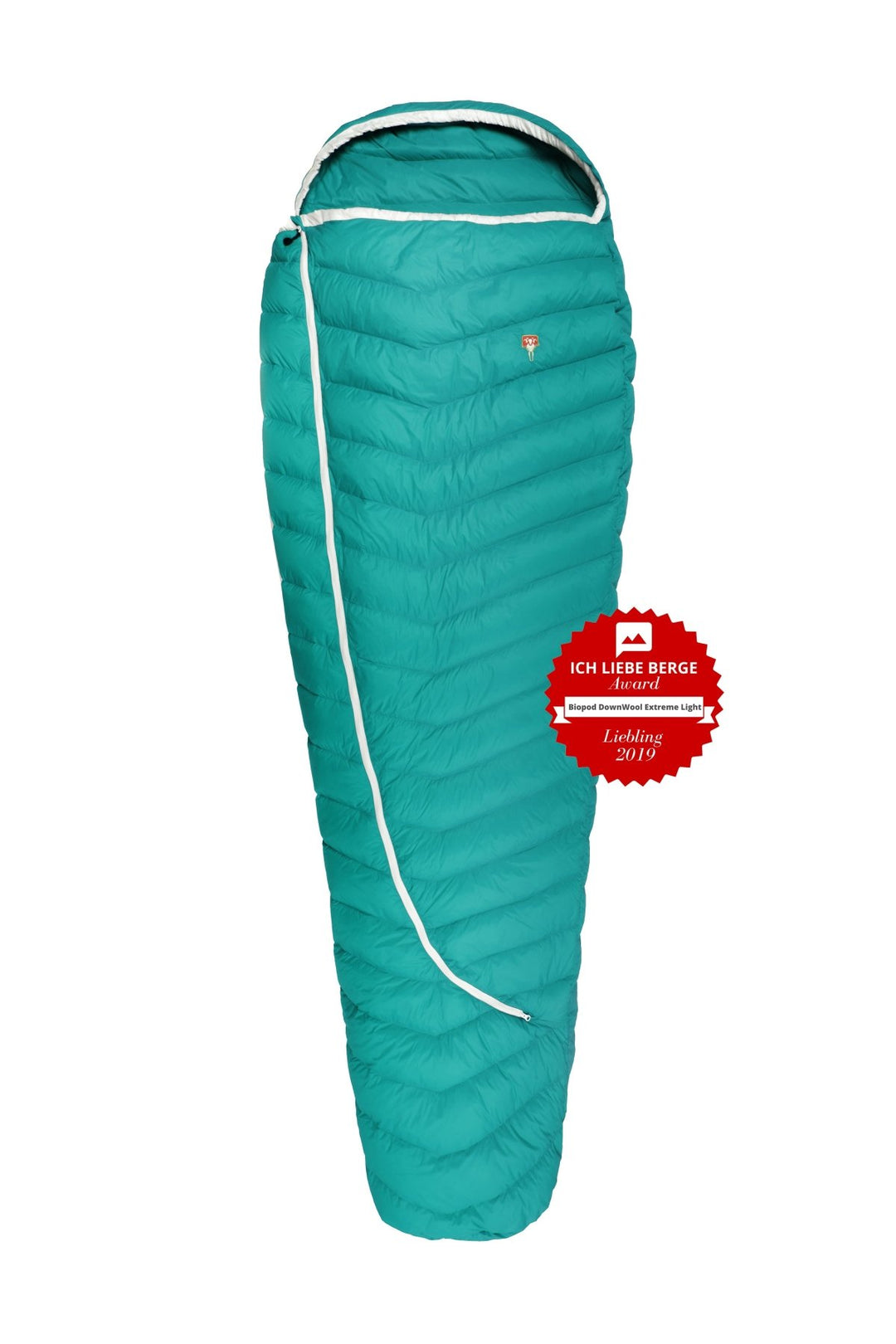
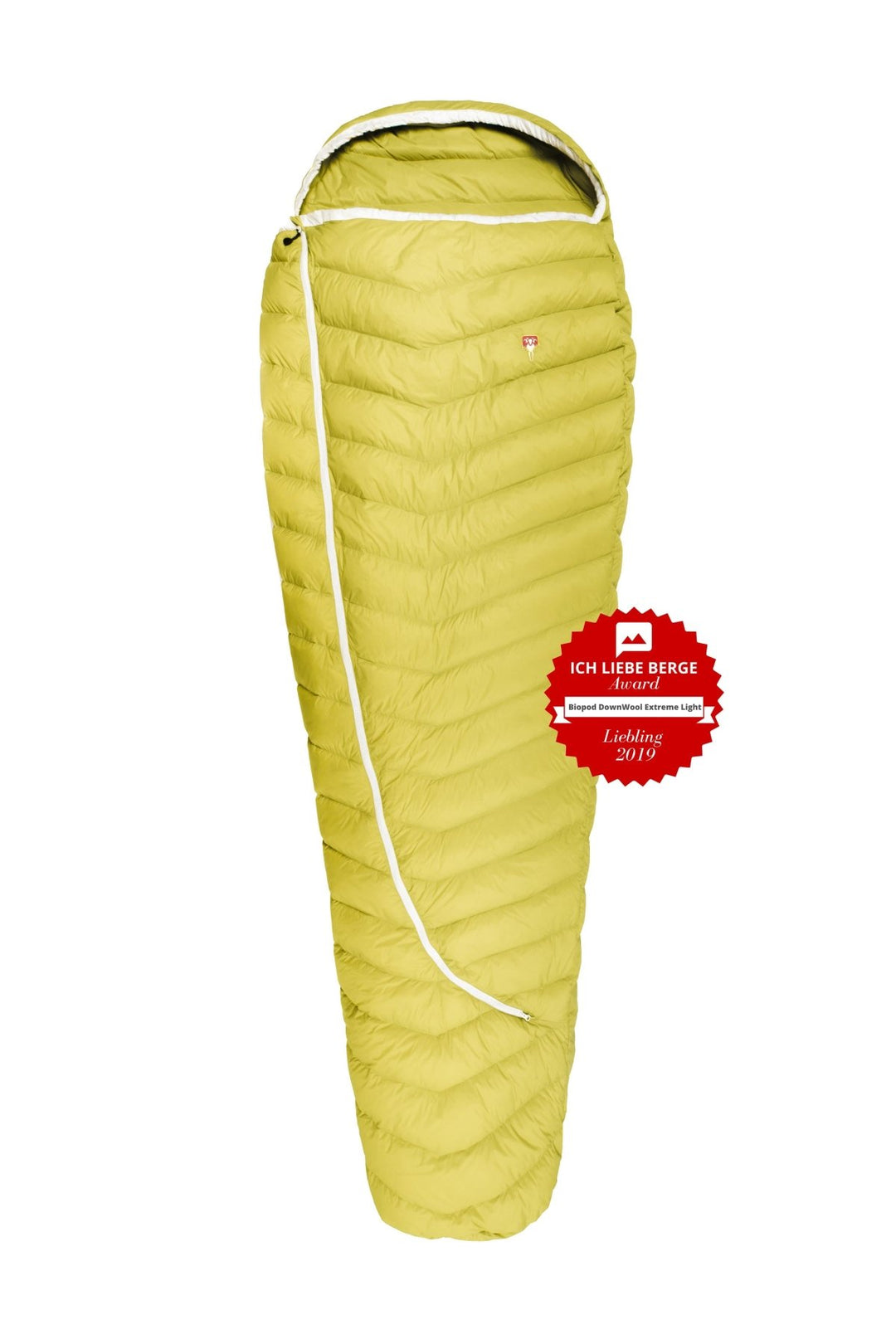
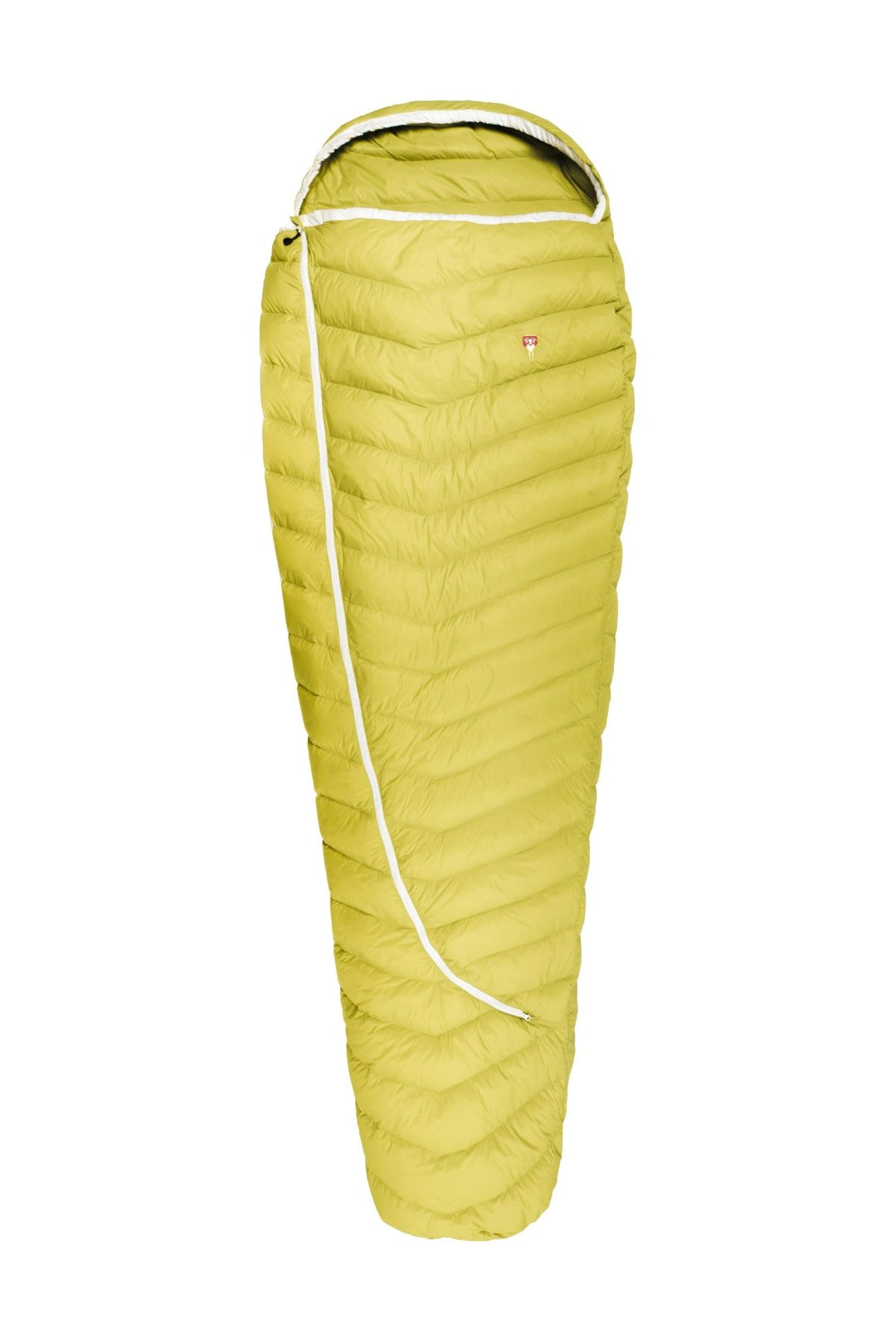
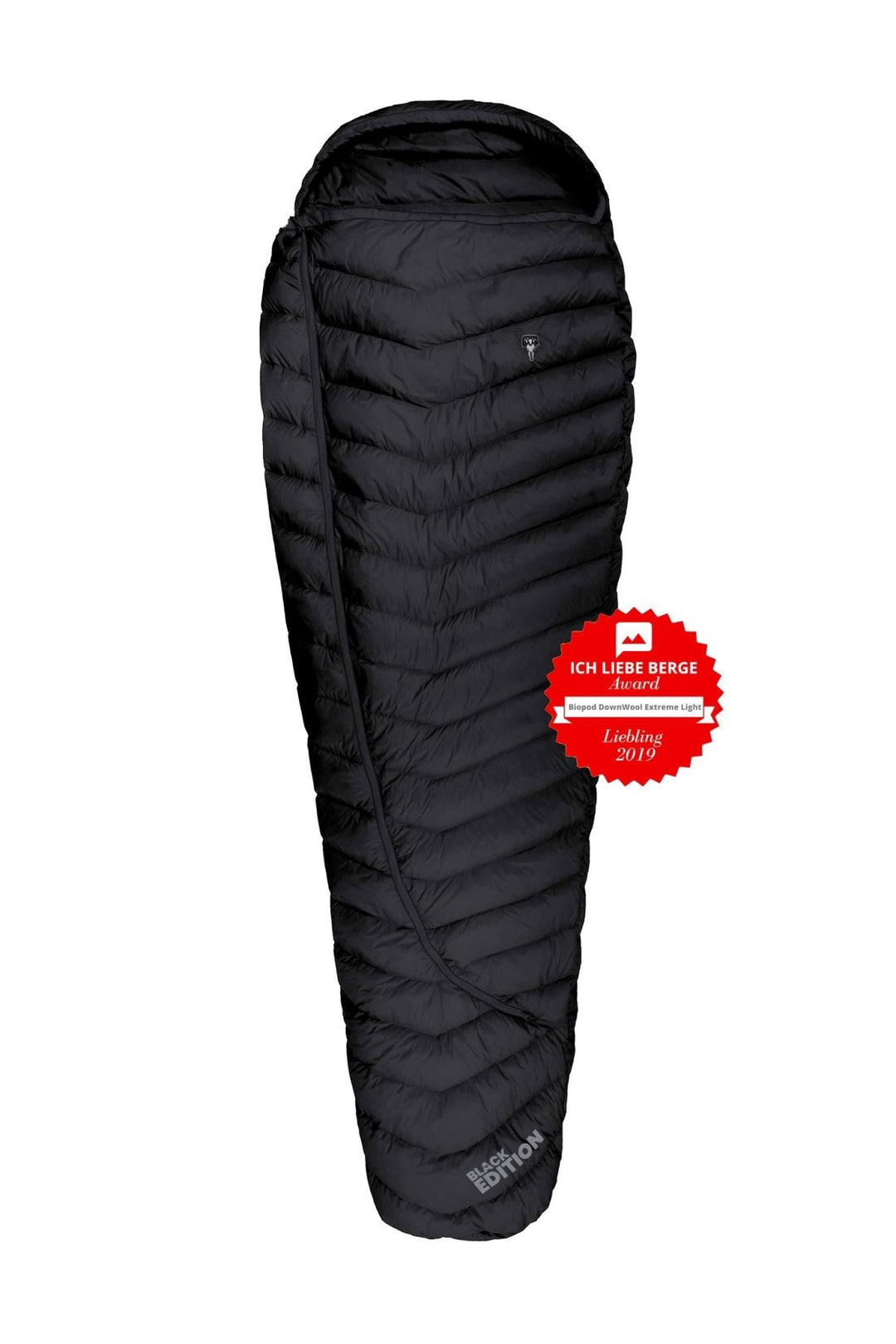
For those seeking a very lightweight sleeping bag with its own insulation , the DownWool® 2.0 Extreme Light offers a different solution than a classic hut sleeping bag.
DownWool® 2.0 combines 70% down with 30% specially processed wool . The down provides ample warmth while remaining lightweight and compact. The wool enhances moisture retention and promotes a balanced sleeping climate.
This makes the Extreme Light suitable not only for cabins, but also for summer trekking, bikepacking and trips where you don't want to rely solely on available blankets.
Sleeping bag liner, insert or lightweight sleeping bag
The terms are often used interchangeably, but they refer to different products.
A sleeping bag liner is a thin sleeping cover. It creates a separate layer between you and the existing bedding or cabin blanket and can also be used inside a sleeping bag.
An insulated sleeping bag liner already has a light insulating layer. It is particularly suitable for cooler huts and for anyone who finds a standard liner insufficient.
A lightweight summer sleeping bag has a significantly higher thermal performance and can therefore be used independently of a cabin blanket.
Which option is right for you depends primarily on where you sleep, how quickly you get cold, and how important weight and pack size are to you.
Sleeping bag for crossing the Alps
When crossing the Alps, you have to carry your equipment back into your backpack every day. A compact sleeping bag for huts therefore quickly pays for itself.
For predominantly warm cabins, a lightweight WoodWool liner is a good choice. If you expect fluctuating temperatures or tend to get cold easily, a model with Alpine wool offers more warmth. Anyone looking for a truly lightweight sleeping bag for cabins and summer nights outdoors should compare the DownWool® Extreme Light models.
This way you don't just take the lightest sleeping bag for huts, but the one that suits your actual tour.
Also practical as a travel sleeping bag
A sleeping bag liner doesn't have to lie in the closet for the rest of the year.
As a travel sleeping bag or inner sleeping bag, it is also suitable for hostels, youth hostels, holiday apartments, hotels, overnight stays with friends or traveling in a van.
Especially when traveling, it's nice to have your own lightweight sleeping bag with you. It takes up little space and creates a more familiar sleeping experience wherever you are.
Frequently Asked Questions about Sleeping Bag Bags (FAQ)
Is a sleeping bag liner mandatory in Alpine Club huts?
According to the German Alpine Club's hut and tariff regulations, the use of a hut sleeping bag is mandatory for sleeping in designated Alpine Club huts. Other accommodations may have their own rules. Therefore, please check with the specific hut before your trip.
What is the difference between a sleeping bag liner and a sleeping bag insert?
A sleeping bag liner is typically a thin sleeping bag with little or no insulation. The term "sleeping bag liner" is used for both these types of liners and warmer models. At Grüezi bag®, you'll find a variety of options, from thin WoodWool liners to insulated sleeping bag liners.
Which sleeping bag liner is suitable for crossing the Alps?
If weight and pack size are your main concerns and you primarily sleep in warm huts, a lightweight liner is a good choice. If you get cold easily or expect cooler accommodations, you should opt for a model with additional insulation.
What is WoodWool?
WoodWool, used in our liners, is a material blend of 80% lyocell and 20% wool . The material feels soft against the skin. The wool content absorbs moisture, regulates the skin's temperature, and reduces odors.
Can I use a sleeping bag liner inside a regular sleeping bag?
Yes. A suitable liner can be used as an inner sleeping bag. It creates an additional layer and protects the actual sleeping bag from direct skin contact and dirt. Depending on the model and sleeping system, it can also provide additional insulation.
Which sleeping bag liner is suitable for cooler nights?
If a thin liner isn't enough for you, a lightly insulated sleeping bag like the Wolle Almhütte is a good option. For tours where you need more insulation, lightweight summer sleeping bags like the DownWool® 2.0 Extreme Light models are suitable.
Your tour. Your warmth requirements. Your sleeping bag liner.
You need something different for a warm mountain hut than for a cool night on a multi-day hike. And someone who counts every gram has different priorities than someone who primarily values freedom of movement and sleeping comfort.
That's why Grüezi bag® doesn't offer one sleeping bag that fits all needs.
Choose the sleeping bag that suits your tour, and in the evening you can look forward not only to the hut, but also to your bed.
